Camden house removals for Parkway and Chalk Farm Road: a practical local guide
If you are planning Camden house removals for Parkway and Chalk Farm Road, you are probably juggling the same mix of things most people do: boxes everywhere, furniture that feels heavier than it should, a timetable that keeps changing, and that nagging worry about whether the van will fit where it needs to fit. To be fair, moving in this part of Camden is rarely just a simple point-A-to-point-B job. Parking can be awkward, stairwells can be tight, and one overlooked detail can slow the whole day down.
This guide breaks the process into plain English. You will find out how local house removals usually work, what makes these streets a little different, how to avoid common headaches, and what a good moving plan looks like in practice. If you want a smooth residential move, the details matter. The good news? Most of them are manageable once you know what to look for.
Why Camden house removals for Parkway and Chalk Farm Road matters
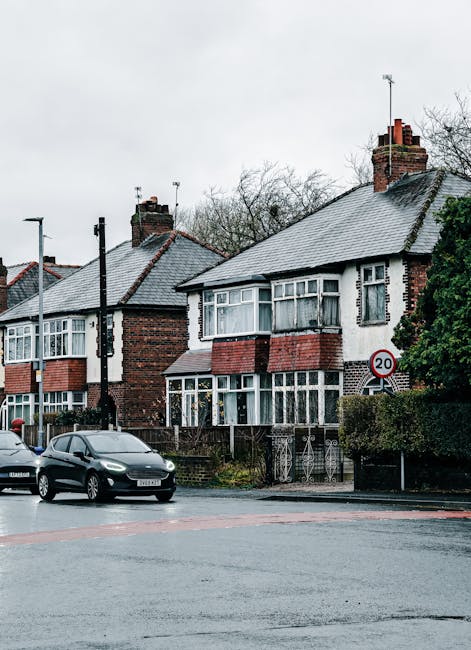
Parkway and Chalk Farm Road sit in one of those London pockets where moving day can feel deceptively straightforward at first glance. Then the realities appear: busy roadside traffic, limited stopping space, flats above shops, awkward corners, and neighbours who may already be dealing with deliveries, visitors, or school-run congestion. A house removal here is not just about lifting items. It is about timing, access, and keeping everyone calm enough to get through the day without drama.
That matters because a good move protects more than your furniture. It protects your schedule, your budget, and frankly your sanity. People often focus on packing the kitchen and forget that the real bottlenecks are access, loading order, and whether the sofa will actually get through the hallway. The last one sounds obvious. It still catches people out all the time.
Local removals also need a more careful mindset around building rules and shared spaces. In older Camden properties, narrow stairs, split-level layouts, and delicate common areas can make a big difference to how a move is planned. If you are working with a team that understands the area, things tend to run more smoothly because they will think ahead about positioning, carrying routes, and what needs to come out first.
Practical takeaway: In this part of Camden, the best removals are usually the ones planned around access first and packing second. If the van cannot load safely, the rest of the day gets messy very quickly.
If your move includes extra items you no longer want, it can help to separate them early and consider whether any need specialist handling. Services such as furniture pick-up or disposal options for bulky items can save time on the day and reduce what has to go into the main move.
How Camden house removals for Parkway and Chalk Farm Road works
Most house removals in Camden follow the same broad pattern, but the quality of the planning makes all the difference. A typical move starts with a size-and-access conversation: how many rooms, how many boxes, what furniture needs dismantling, whether there are stairs or lifts, and how easy it is to stop close to the property. From there, the move is matched to the right vehicle and the right amount of labour.
For a smaller flat move, a flexible man with van or man and van option may be enough. For larger family homes, awkward access, or heavier furniture, a bigger vehicle such as a moving truck or a more structured removal setup may be more sensible. Truth be told, choosing the wrong size is one of the easiest ways to make moving day longer than it needs to be.
Once the plan is set, the team usually works in a simple sequence:
- Protect doorways, floors, and fragile surfaces where needed.
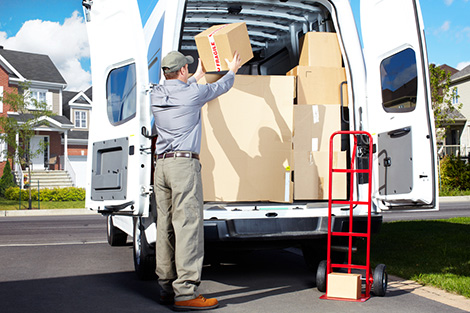
- Move the first-load items to the van in a sensible order.
- Load heavy items securely before stacking lighter boxes.
- Transport everything to the new address with minimal handling in transit.
- Unload into the correct rooms so you are not left with a mountain of boxes in the hall.
Good packing helps the process enormously, especially when you have awkward items or a lot of breakables. If you want support beyond the van itself, the company's packing and unpacking services can take a lot of pressure off the day. And if the move is part of a bigger home refresh, the broader home moves service is worth understanding because it gives a clearer sense of what is covered and how the process is organised.
One small but important point: a well-run removal is not rushed chaos. It looks calm because the hard decisions were made before the van arrived. That is the secret sauce, really.
Key benefits and practical advantages
There is a reason many people prefer professional help for local removals in Camden rather than trying to do everything themselves. The value is not only in lifting heavy items. It is in removing friction from the day.
- Less stress: You are not trying to coordinate friends, hire a van, and manage timing all at once.
- Better handling of awkward items: Sofas, wardrobes, white goods, and fragile pieces need more than enthusiasm.
- Local access awareness: A team familiar with Camden roads tends to plan more realistically around parking and loading.
- Faster turnaround: A structured team usually gets through loading and unloading more efficiently than a DIY effort.
- Reduced damage risk: Good packing and sensible lifting habits protect both property and belongings.
For some households, the biggest benefit is actually headspace. Moving is emotionally noisy. You may be dealing with school changes, lease deadlines, work commitments, or just the usual clutter that quietly builds up over years. When the logistics are handled well, you can focus on the move itself instead of firefighting every ten minutes.
There is also a sustainability angle. If your move involves items you no longer want, the company's recycling and sustainability approach may help you think more carefully about what is reused, moved, or responsibly discarded. That can be especially useful if you are trying to reduce waste rather than simply shift it from one address to another.
Who this is for and when it makes sense
Camden house removals for Parkway and Chalk Farm Road makes sense for a wide range of people, but it is especially useful if your move has any of the following characteristics:
- You are moving out of or into a flat with stairs, narrow corridors, or shared entrances.
- You need the move completed in a tight time window.
- You have furniture that needs careful protection or dismantling.
- You are moving on your own and do not want the whole day to become a logistics puzzle.
- You have a mix of belongings, waste, and items you want delivered separately.
It also suits people who want a lighter-touch move rather than a full-service removal. Maybe you only need help with the van and loading. Maybe you have already packed everything and just need someone reliable to do the hard carrying. In that case, a more flexible service such as house removalists can be the right fit because it sits between a pure transport job and a full-scale relocation.
Commercial movers and office-based customers are a different story, of course, but even they often start by asking the same question: how much help do we actually need? If your move involves a home office or business equipment, it can be useful to compare with commercial moves or office relocation services so you do not under-spec the job.
Step-by-step guidance
If you want the move to feel manageable, the best approach is to break it into stages. It sounds basic, but a lot of moving stress comes from trying to do everything at once. Don't. Just don't.
1. Start with access
Before packing gets intense, look at where the van will stop, how far it is to the door, and whether anything might slow the loading route. Shared entrances, timed parking, and narrow pavements can all matter. A five-minute check can save an hour later.
2. Sort the belongings into clear groups
Keep items you are taking, items you are donating or discarding, and items you need immediate access to on arrival. If there is bulky furniture or a fridge that is not coming with you, think about whether a separate removal or disposal service would be cleaner. The company's fridge and appliance removal page is relevant here, especially if you are replacing white goods rather than moving them.
3. Pack by room and label properly
Labels should be readable from standing height, not hidden under tape or written in a rush. A simple room name and a couple of details is enough. For example: "Kitchen - fragile glassware" or "Bedroom 2 - winter clothes".
4. Protect fragile and awkward items
Wrap mirrors, lamps, and table tops before the move begins. If you have mattresses or soft furnishings that need replacing, it can be more efficient to arrange disposal separately through mattress and sofa disposal rather than trying to squeeze everything into a busy moving day.
5. Load in the right order
The van should be packed with heavy, stable items first and fragile items secured later. Good removal teams think in layers. Heavy base. Tight gaps filled. Delicate items protected. That rhythm matters more than it sounds like it should.
6. Unload with a room-first mindset
When you arrive, it is tempting to dump everything in the nearest room and deal with it later. Resist that urge if you can. Put boxes where they belong. Future-you will be very grateful, probably around 9pm when you are too tired to think straight.
7. Deal with leftovers responsibly
If the move has revealed a pile of unwanted items, use that moment to clear them properly. The company's what can go in a skip guidance can help you think about sorting, while hazardous waste disposal is relevant for items that should never be treated like general rubbish. Not glamorous, I know, but it matters.
Expert tips for better results
Experienced movers tend to do a few things consistently well. These are the habits that make a visible difference on the day.
- Book with a realistic time buffer: Camden traffic can be unpredictable, especially if your move lands in a busy school-run or late-afternoon window.
- Keep essentials separate: Kettle, chargers, medication, documents, and a change of clothes should not disappear into the back of the van.
- Measure before moving: Door widths, stair bends, and the lift size, if there is one, all matter more than people expect.
- Disassemble early: Bed frames and large wardrobes are easier to move when dismantled calmly rather than in a hallway panic.
- Take photos of valuable items: Helpful for your own records and peace of mind.
Another tip that often gets missed: tell the movers about any awkward access point before the day itself. A basement flat, a rear entrance, or a flight of tight stairs is not a problem if it is known in advance. It becomes a problem when it is a surprise. Nobody enjoys surprises at 8am with a mattress stuck halfway round a corner.
If you need a vehicle with more capacity, a removal truck hire option may be the better fit. For larger household inventories, the right vehicle can make the difference between a single clean trip and two exhausting ones.
Common mistakes to avoid
Most moving problems are boringly predictable. That is actually good news, because predictable problems can be avoided.
- Underestimating volume: Many people pack more than they think, especially once wardrobes, books, and kitchenware are counted properly.
- Leaving packing until the night before: That is how fragile items get rushed and labels stop making sense.
- Forgetting access restrictions: A great schedule means nothing if the van cannot stop close enough.
- Not planning for disposal: Old furniture, appliances, or damaged items often need a separate decision.
- Mixing essentials with everything else: You do not want to be searching for keys and phone chargers among fifty identical boxes.
There is another one, too: assuming every move needs the same level of service. Sometimes a lean man-and-van setup is ideal. Sometimes you need more structure. The wrong choice usually costs time, and time is what runs away first on moving day.
Also, be careful about trying to save money by doing heavy lifting without the right help. A strained back is expensive in ways that are hard to predict and very annoying. No sofa is worth that. Not even the good one.
Tools, resources and recommendations
You do not need a warehouse full of equipment to move well. But a few practical tools make the process noticeably easier.
- Strong boxes: Use consistent sizes where possible so stacking is easier.
- Packing tape and labels: Cheap, simple, and surprisingly important.
- Furniture blankets and straps: Helpful for protection and safe loading.
- Basic tools: Screwdrivers, hex keys, and a small bag for fittings keep dismantled furniture under control.
- Refreshments: Not a joke. Water and tea make a moving day better. It is London, after all.
If you are comparing service levels, the most useful pages to review are usually pricing and quotes, payment and security, and insurance and safety. Those pages help you understand how a professional service is structured and what reassurance you should expect before booking.
For people who want support beyond basic transport, the company's about us page can also be useful because it gives context on the team behind the service. A little background goes a long way when you are trusting someone with your belongings.
Law, compliance, standards, or best practice
For a residential move in Camden, the most relevant compliance issues are usually practical rather than technical. You want a service that works safely, handles possessions responsibly, and respects building rules and local access constraints.
In UK moving work, good practice normally includes careful lifting, secure loading, sensible route planning, and clear communication about what is being moved. If a company handles waste or unwanted items, those items should be treated responsibly and not simply dumped. That is where proper disposal or recycling pathways matter, especially for appliances, furniture, or anything that could be classed as hazardous.
It is also wise to check the company's policies around safety, terms, privacy, and complaints so you know what to expect before the move begins. Relevant references on the site include health and safety policy, terms and conditions, privacy policy, and complaints procedure. Those pages are not glamorous reading, granted, but they signal a more organised and trustworthy operation.
Best practice also means honest scope setting. If you say "just a few boxes" but the inventory is actually a one-bedroom flat with a bed frame, wardrobe, desk, and three shelving units, somebody will have to absorb the surprise. Usually not in a pleasant way. So the clearer you are upfront, the smoother everything goes.
Options, methods, or comparison table
There is more than one way to approach a local move in Camden. The right option depends on property size, access, and how much help you want on the day.
| Option | Best for | Strengths | Trade-offs |
|---|---|---|---|
| Man and van | Small flats, light loads, quick local jobs | Flexible, often efficient, good for short-distance moves | May not suit large households or lots of bulky furniture |
| House removalists | Standard home moves with more items or heavier pieces | More structured handling, better for fuller inventories | Usually more involved than a small van-only move |
| Removal truck hire | Large moves or moves needing more loading space | Higher capacity, fewer trips | Needs better planning and access coordination |
| Full packing and moving support | Busy households, fragile items, time-poor customers | Reduces stress and improves packing consistency | More comprehensive, so not always necessary |
If you are unsure which route is right, start with the size of the inventory and the complexity of access. That usually tells the truth faster than anything else. A tiny flat on a straightforward road can be handled differently from a two-bedroom home with awkward stairs and a tight loading window. Easy answer? Usually not. But it becomes clear if you ask the right questions.
Case study or real-world example
Here is a realistic example based on the kind of move people often face around Parkway and Chalk Farm Road.
A couple were moving from a compact upper-floor flat into a nearby rental property. They had a sofa, a bed, a small dining table, several boxes of books, and a fridge they did not want to take with them. At first they assumed it would be a simple half-day job. Once they checked the access, though, they realised the stairwell was narrow and the roadside parking was not ideal for two separate trips. That changed the plan.
Instead of trying to do everything themselves, they split the move into parts. The furniture was loaded first, the boxes were packed by room, and the fridge was arranged separately for removal. The result was less back-and-forth, fewer delays, and no panicked decision-making in the hallway at the end. The day still felt like a moving day - because, well, moving days always do - but it was controlled rather than chaotic.
What made the difference was not fancy equipment. It was preparation, realistic expectations, and not pretending the access was better than it really was. That is often the whole game.
Practical checklist
Use this checklist in the final few days before your move. It keeps the small things from becoming the big things.
- Confirm the move date, time, and arrival window.
- Check access, parking, and any building restrictions.
- Measure large furniture and key doorways.
- Pack room by room and label each box clearly.
- Set aside valuables, documents, keys, chargers, and medication.
- Separate items for disposal, recycling, or donation.
- Disassemble furniture that will not fit safely as-is.
- Protect fragile items with proper wrapping.
- Keep drinks, snacks, and essentials within easy reach.
- Review the company pages on pricing, safety, and policies if you have not already.
That is the practical version. The human version is simpler: give yourself a little more time than you think you need. Moving always expands to fill the space available. Every time.
Get a free quote today and see how much you can save.
Conclusion
Camden house removals for Parkway and Chalk Farm Road works best when the move is treated as a local logistics job, not just a lifting job. Access, packing order, timing, and clear communication are the real pressure points. Get those right and the rest becomes much easier.
Whether you are moving a small flat, a fuller household, or a home that needs extra care because of furniture or appliances, the right plan can make the day calmer and far more predictable. That is what most people want, really - not perfection, just a move that feels under control.
If you are at the planning stage, start with the inventory, think through access, and choose the level of help that matches the reality of the job. The more honest the plan, the smoother the finish. And when the last box is finally down, you will feel it: that small, quiet relief that says the hard part is over.
Frequently Asked Questions
What makes Camden house removals for Parkway and Chalk Farm Road different from other local moves?
The main difference is access. Parkway and Chalk Farm Road can involve busy traffic, limited stopping space, and properties with stair-heavy layouts, so local planning matters more than people sometimes expect.
Should I choose a man and van or a full removal service?
It depends on the size of your move and how much help you need. A man and van setup is often enough for smaller loads, while fuller household moves usually benefit from a more structured removal service.
How far in advance should I book a house move in Camden?
As early as you reasonably can. Busy periods, weekends, and month-end moves tend to fill faster. Booking ahead also gives you time to sort packing and access details properly.
What if my flat has narrow stairs or awkward corners?
That is common in Camden, and it is usually manageable if the team knows about it in advance. The key is to mention difficult access before moving day so the right vehicle and handling plan can be prepared.
Can I include furniture disposal with my move?
Often yes, depending on what needs to go. If you have sofas, mattresses, appliances, or other bulky items to remove, it is worth checking the relevant disposal options before the move begins.
Do I need to pack everything myself?
Not necessarily. Some people prefer to handle all packing themselves, while others use packing and unpacking support to save time and reduce the risk of damage.
What should I keep with me on moving day?
Keep essentials close: keys, phone, chargers, medication, important documents, a drink, and maybe a small snack. You do not want these buried in a box labelled "miscellaneous," because that box never feels miscellaneous when you need something fast.
How do I make sure my items are protected during transit?
Use proper packing materials, wrap fragile items well, and make sure heavy items are loaded securely. Good loading practice matters just as much as the boxes themselves.
What happens if I need to move white goods like a fridge?
White goods should be handled carefully because they are awkward, heavy, and sometimes need specialist disposal if they are not being moved. It is best to plan that separately rather than leaving it to the last minute.
How do I know whether I need a larger vehicle?
If you have a lot of furniture, many boxes, or a move that would require multiple trips, a larger vehicle may be the smarter choice. It usually comes down to volume and access, not just the number of rooms.
Is it worth reviewing company policies before booking?
Yes. Pages like insurance and safety, terms and conditions, privacy policy, and complaints procedure give you a better sense of how the service is run and what to expect if anything needs clarifying.
What is the best first step if I am still unsure about my move?
Start with a rough inventory and a quick look at access. Those two things usually reveal whether you need a small, flexible move or a more comprehensive removal plan. Once that is clear, everything else gets easier.