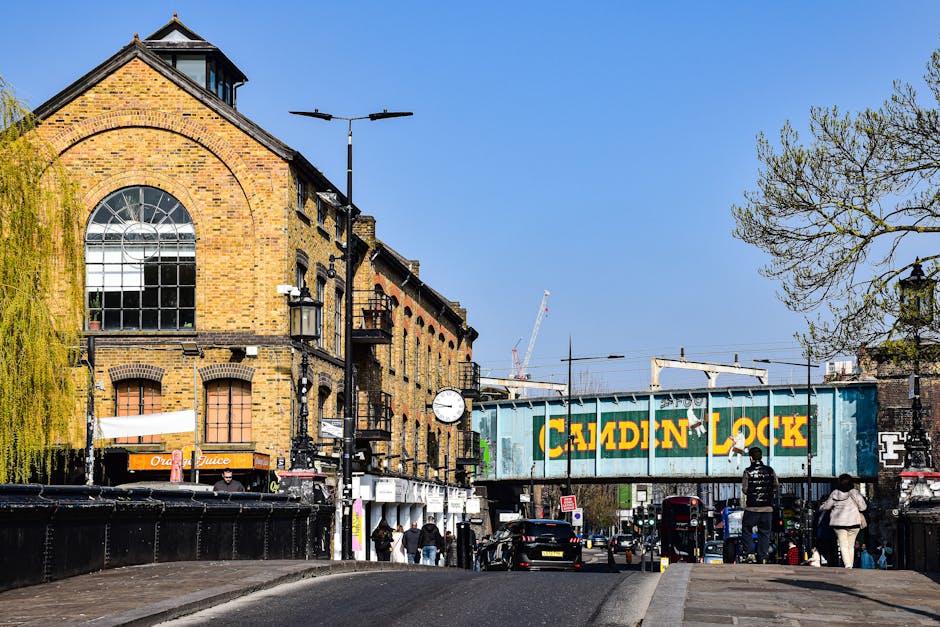
Camden Man with Van in Camden

Camden man with van services are a practical way to move furniture, boxed belongings and awkward items across the borough with the right balance of flexibility and load space. For smaller home moves, single-item transport and straightforward collection work, our service is built around careful handling, clear timing and the simple aim of getting goods from one place to another without unnecessary complexity. It suits customers who need transport support rather than a full-scale removal operation.
The work can cover flat moves, student moves, ad hoc deliveries and collections from shops, storage rooms or private addresses. Our man with van service is most useful where access is tight, the load is modest, or the job calls for a vehicle with loading space that can be matched to the task. We focus on sensible planning, safe lifting and an orderly process so items are loaded, transported and unloaded with care.
That approach also helps when belongings include mixed shapes and sizes, because a van move is rarely only about volume. It is about how items fit together, how they can be secured in transit and how quickly they need to be handled at each end. If you are comparing moving options, it is sensible to match the vehicle and help level to the job rather than overcomplicating a straightforward move. For a quotation, tell us what needs moving and where it is going.
What the service covers
Our main service is suited to customers who want a direct transport solution for household goods, furniture and other movable items within Camden and beyond. It can be a good fit for compact home removals, short-notice item transfers, or planned collections that do not require a full removals crew. The emphasis is on efficient loading, safe carriage and a move plan that reflects the actual size and nature of the load rather than a one-size-fits-all approach.
Because every job is different, the service can be scaled around the amount of lifting, the number of stops and the kind of items involved. A van move may include dismantled furniture, white goods, boxes, office materials or mixed household contents. Where useful, home moving support can be aligned to the same style of practical transport work, especially when the customer needs a straightforward move rather than a more elaborate removals package.
When planning, it helps to think about the order in which items will be carried, how fragile goods should be separated and whether anything needs protection from scuffs or movement. A clear inventory is not always necessary, but a sensible outline makes the load easier to assess. You can also keep your enquiry focused by noting access points, floors, parking restrictions and any large pieces that may need attention first.
Single items, furniture and everyday collections

Many van jobs are not full moves at all but single-item collections or delivery support. That can include a sofa, a wardrobe, a bed frame, boxed household items or purchases that are too bulky for a car. A van-based service gives more room for securing items correctly, which matters when the item is delicate, unusually shaped or simply too awkward to carry without help. The aim is to move it cleanly and without avoidable stress.
For this type of work, the most useful information is usually the item dimensions, access details and whether the piece can be carried in one part or needs partial dismantling. If a lift is involved, if the item is heavy or if it has glass, upholstery or integrated fittings, those details affect how it should be loaded. Furniture pick-up support is often relevant where the job centres on moving one or more pieces rather than a full property contents move.
Some items also need a little extra care because they are difficult to grip or vulnerable to marks during loading. Mattresses, mirrors, tables, bookcases and flat-pack furniture can often be handled efficiently, but only if the moving plan is sensible. This is where a measured approach matters: use appropriate wrapping where needed, keep weight distributed properly and avoid packing the van in a way that puts pressure on softer goods.
Home moves and short-distance removals
Not every house move needs a large removals operation. A smaller property, a studio flat or a partial move between homes may be well suited to a man with van arrangement. The service can help with transporting essentials, furniture and boxed contents when the load is manageable and the main requirement is dependable movement rather than a broad removals package. It is especially practical when access or timing makes a compact vehicle preferable.
For customers who are shifting home within Camden or moving into the area, the job often comes down to coordination and care. House removalists may be more appropriate for larger family loads, but a van-led solution can suit lighter moves where the customer wants flexibility and a simple transport plan. Keeping the route, the number of items and the loading points straightforward usually makes the day easier for everyone involved.
Useful preparation is not complicated. A labelled box system, a list of the larger pieces and a clear note about any access limitations usually provide enough structure to plan the move properly. If you are comparing options, it can help to separate items that must travel together from those that can be loaded later. That small bit of organisation often makes the process smoother and reduces the chance of delays at either end.
Office and business transport
Practical support for smaller commercial moves

Camden businesses also use man with van transport for compact office moves, stock transfers and equipment collections. This can include desks, chairs, filing, boxed documents, promotional materials or items being moved between branches, storage or client sites. The service is useful where the job is too small for a full commercial relocation but still needs punctual handling and proper care with business property.
Office relocation services are helpful when workstations, fittings or sensitive items need a more structured move, while a van-based option is often enough for lighter office contents. Commercial jobs may involve stair access, loading restrictions, or the need to move during quieter hours, so a clear brief matters. It is usually best to state what must be moved, what can be dismantled and whether the load includes any fragile or confidential materials.
Where business work includes documents or records, separation and sealing can be useful before the day of transport. Equipment should be switched off, cables grouped together and detachable parts kept with the item they belong to. Good packing and clear labelling are especially valuable in commercial settings, because they save time when unloading and help people return to work more quickly after the move.
Packing, loading and protection
Even a small van move benefits from thoughtful packing. Items that can shift in transit should be stabilised so they do not rub, tip or knock against one another. Soft furnishings, tables, appliances and boxed contents often travel better when the load is grouped by shape and weight. If an item is vulnerable, it may need wrapping or padding so its finish is protected during carrying and transit.
Packing and unpacking services may be useful for customers who want extra support before or after the move, but the core van service still works well for prepared loads. The main point is to handle goods in a way that respects their condition and size. That can mean taking a little more time at the loading point to avoid pressure on corners, glass or surfaces that scratch easily.
When people prepare a load themselves, a short and sensible checklist is enough: separate breakables, empty loose drawers where possible, tape up small parts and keep essentials close to hand. Nothing about that process needs to be over-engineered; the aim is simply to make the vehicle loading clearer and safer. If you want the move priced accurately, a brief description of the items is usually more valuable than a long message with unnecessary detail.
Appliances, heavy pieces and awkward items
Some jobs need special attention because the item is heavy, bulky or awkward to carry. Fridges, washing machines, wardrobes, sofas and similar pieces can often be transported in a van, but they need the right handling and enough space to keep them stable. The loading method matters just as much as the journey itself, especially where the item has doors, loose components or weight that is difficult to balance by hand.
Fridge and appliance removal is relevant where the load includes white goods, while larger soft furnishings may fit a different type of handling plan. Heavy-item moves should account for stairs, thresholds and narrow access points so no one is forced to rush or twist an item awkwardly. In many cases, the most sensible route is to keep the move direct and let the van be positioned as close to the loading point as possible.
It is also worth being realistic about size and condition. Some appliances may need to be disconnected in advance, and some items are easier to carry if shelves, drawers or detachable parts are removed first. The objective is not simply to move the object, but to do so in a way that avoids damage to the item, the vehicle and the property at either end.
Clearance work and disposal-related trips

Van transport can also assist with clearance-style jobs, especially where there are a few bulky pieces or a modest amount of mixed waste that needs to go to the right destination. This may include old furniture, unwanted household items or items being removed after a room has been cleared out. The practical value lies in being able to load the goods safely and move them in one organised trip rather than leaving the customer to manage several separate journeys.
Mattress and sofa disposal is a common example of this kind of work, because these items are large, cumbersome and not ideal for ordinary transport. The service should always be matched to what the item is, how it can be loaded and where it needs to go. If disposal is part of the job, the customer should say so plainly so the arrangement can be made in a suitable way from the outset.
When clearance tasks include a mixture of reusable items and items that are no longer wanted, the load should be separated before collection if possible. That makes handling easier and helps avoid confusion at the property. It also means the van can be used efficiently, with heavier or dirtier items placed so they do not affect cleaner goods that may still be kept, sold or passed on elsewhere.
Pricing factors and quotation details
Pricing for man with van work usually depends on several straightforward factors: the amount to be moved, the distance travelled, the level of access, the number of stops and whether there are items that need extra care or handling time. A compact local move is not the same as a multi-stop transport job, so the quotation should reflect the actual work involved rather than a generic assumption about what a move might require.
Pricing and quotes information is useful when you want to understand how the service is assessed, but the key to a sensible quote is accurate job information. If there are stairs, restricted parking, narrow entrances or particularly large items, those details should be included. Likewise, if the move includes lifting from storage, an upper floor or multiple drop-off points, it is better to mention that early so the plan is realistic.
We can usually give a clearer quotation when the basic facts are organised into a simple message: what needs moving, from where, to where, and whether anything is fragile, heavy or awkward. You do not need to write a polished brief. Clear, honest details are enough. If you are ready to compare options, send the essentials and ask for a quotation.
About Camden
Camden in north-west London is known for its dense urban fabric, transport links and long association with markets, music and independent culture. The wider borough and the place commonly understood as Camden include streets that run from the busy corridor around Euston Road north towards residential neighbourhoods and canal-side areas. Camden Town grew in the late eighteenth century after the opening of the Regent’s Canal, which helped shape the area’s growth by linking industry, goods movement and later retail activity. That history is still visible in the way the district mixes transport infrastructure, converted buildings and active street life. One of the area’s best-known landmarks is Camden Market, a cluster of markets that has expanded over time into a major visitor destination with food stalls, fashion, crafts and music-related trade. Nearby, Regent’s Canal provides a calmer route through the district, with towpaths, bridges and waterside views that contrast with the intensity of the surrounding streets. Camden is also notable for its architectural variety, from Georgian and Victorian terraces to later commercial buildings and public institutions. The Royal Veterinary College’s Camden campus, London Zoo to the west in Regent’s Park, and the concentration of theatres, venues and pubs have all contributed to the area’s identity. Music culture is strongly associated with Camden, especially through venues and record shops that have supported performers and audiences for decades. The district’s character comes from that mix of history, movement and creativity, with a street pattern shaped by rail, road and canal connections as much as by residential growth. Today, Camden remains one of London’s most recognisable urban centres, combining everyday commerce with a distinctive cultural reputation and a strong sense of place.
Matching the move to the job
Choosing the right van-based service is often about scale and handling rather than the label on the service alone. A single sofa, a small flat, an office box move or an appliance collection can each call for a slightly different loading approach. The best result usually comes from a clear description of the items and a sensible plan for access, because that helps the transport be arranged in a way that fits the work instead of forcing the work to fit the transport.
Commercial moves can benefit from the same practical thinking when the load is modest and the business wants straightforward transport support. Equally, customers sometimes need a lighter-touch solution for household items, storage contents or short relocations. The main thing is to keep the job description accurate. If the move is simple, say so; if it includes stairs, fragile items or awkward dimensions, include that too so the quotation is based on the real task.
It is often helpful to group related items before the move begins, especially where there are boxes, furniture and loose pieces in one load. Keep documents, valuables and essentials separate from the main transport load, and make sure anything that cannot be tipped or stacked is clearly identified. Once those basics are in place, the move is easier to manage and the service can do what it is meant to do: provide reliable transport with sensible handling.
Requesting your quotation

If you need Camden man with van help for a home move, furniture pick-up, office transfer or disposal-related collection, the simplest next step is to ask for a quotation with the key details in one message. Include the collection point, delivery point, what needs moving and any access information that could affect loading or carrying. That gives a better basis for planning and reduces the need for back-and-forth later on.
For jobs involving mixed contents, it can help to note which items are especially heavy, fragile or awkward, and whether anything will already be boxed or dismantled. A concise description is usually enough. If you are also weighing up related services such as packing, appliance removal or business transport, mention the type of move you want so the response reflects the right scope rather than a general assumption.
We are ready to help with clear, practical transport work across the area. If you would like a quotation, please get in touch and tell us what needs moving.