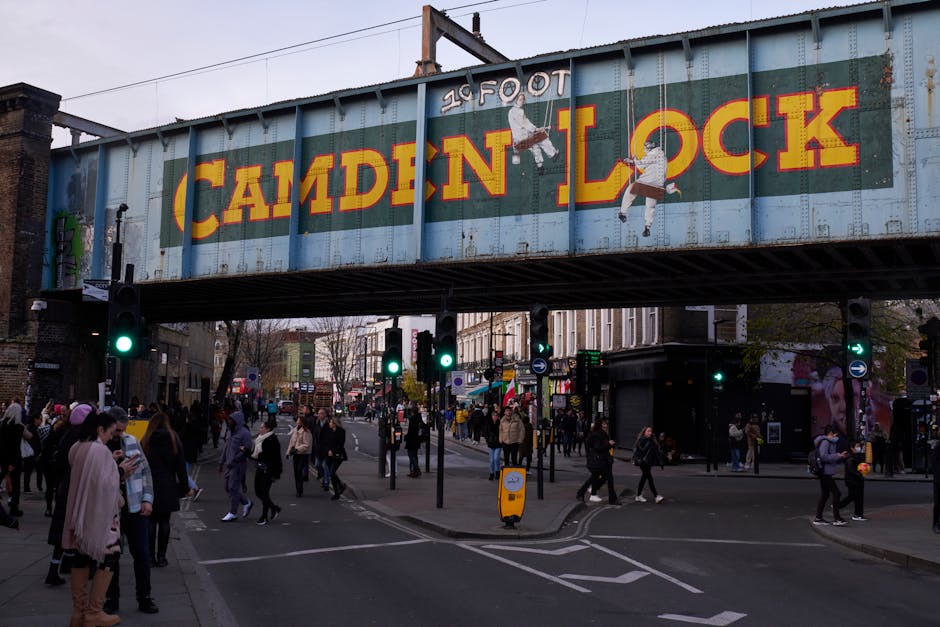
Camden removals guide for moving to Camden Town NW1
Moving to Camden Town NW1 sounds exciting right up until you picture the stairs, the traffic, the tight side streets, and a van trying to find somewhere sensible to stop. That is exactly why a Camden removals guide for moving to Camden Town NW1 is useful. Camden is lively, busy, and full of character, but it also asks for a bit more planning than a straightforward suburban move. If you get the moving day right, everything feels easier. If you do not, well, it can turn into one of those long London mornings where even the kettle seems to take its time.
This guide walks you through the practical side of moving into Camden Town NW1: how removals work, what to prepare, where people trip up, and how to choose the right moving method for your situation. You will also find a clear checklist, a realistic comparison of options, and a few local-minded tips that make the difference between a chaotic move and a smooth one.
Table of Contents
- Why Camden removals guide for moving to Camden Town NW1 Matters
- How Camden removals guide for moving to Camden Town NW1 Works
- Key Benefits and Practical Advantages
- Who This Is For and When It Makes Sense
- Step-by-Step Guidance
- Expert Tips for Better Results
- Common Mistakes to Avoid
- Tools, Resources and Recommendations
- Law, Compliance, Standards, or Best Practice
- Options, Methods, or Comparison Table
- Case Study or Real-World Example
- Practical Checklist
- Conclusion
- Frequently Asked Questions
Why Camden removals guide for moving to Camden Town NW1 Matters
Camden Town is not just another London postcode. NW1 includes busy roads, compact buildings, mixed-use streets, and plenty of foot traffic, especially around peak times. That changes how a move should be planned. A van that would be perfectly fine in a quieter area can suddenly become awkward if access is blocked, parking is tight, or there is no easy place to load and unload.
For home movers, the biggest issue is usually access. Flats above shops, narrow stairwells, old buildings, and busy entrances can make even a small move more involved than expected. For businesses, the challenge is often timing. A shop, studio, or office move in Camden has to work around customers, deliveries, and neighbours. This is where a local removal approach matters. It is not only about lifting boxes. It is about timing, route planning, parking awareness, and keeping the move calm.
There is also the question of sorting belongings before they arrive. Camden living often means making the most of limited space, so moving in is a good moment to think carefully about what deserves to come with you. A cleaner, more selective move usually saves time, effort, and a surprising amount of stress. Truth be told, most people do not need more stuff on moving day. They need less.
If you are moving a full household, a smaller flat, or a business base, services such as home moves and house removalists can be a sensible fit when the job needs proper handling rather than just a van and a best guess.
How Camden removals guide for moving to Camden Town NW1 Works
The basic removal process in Camden is simple in theory: assess the property, plan the load, move items safely, and deliver them to the new address. In practice, the order matters. The first step is always to understand the property layout. Are there stairs? A lift? Loading restrictions? Shared entrances? What time can access happen? These details shape the whole move.
Next comes the vehicle choice. A smaller job may suit a man and van or man with van service, especially for single-room moves, student relocations, or lighter loads. A larger household may need a moving truck or even removal truck hire if there is a bigger volume of furniture and boxes. The right choice depends on what you own, how fragile it is, and how quickly you want the work done.
Packing is the next critical step. Good packing means more than filling boxes. It means using proper weight distribution, wrapping fragile items, labelling clearly, and avoiding that awkward box that is somehow both too heavy and too flimsy at the same time. A professional team may offer packing and unpacking services, which is often worth considering if you are moving on a tight schedule or with breakables.
Finally, a good removal plan includes disposal. Camden moves often expose old furniture, appliances, and one or two items nobody really wants to carry to the next place. If you need to clear space before moving, options such as furniture pick up, mattress and sofa disposal, or fridge and appliance removal can help keep the move lean and practical.
Key Benefits and Practical Advantages
A well-planned move into Camden Town NW1 brings a few obvious benefits, and some less obvious ones too. The obvious one is less stress. When the access plan, packing, and vehicle choice are all lined up, moving day feels much more manageable. You can focus on arriving, settling in, and finding where you put the kettle.
Another benefit is reduced damage risk. In tighter London properties, furniture is more likely to bump into walls, door frames, or stair rails if the move is rushed. The right handling method lowers that risk. It also protects you from the sort of annoying minor damage that seems tiny in the moment and then keeps staring at you for six months.
There is also efficiency. If items are sorted in advance, you are less likely to pay for wasted time on the day. A clear removal process can also help with budgeting, because you are not trying to solve problems while the clock is running.
For people moving in or out of commercial premises, a structured service can protect business continuity. That is why some customers choose commercial moves or office relocation services when they need a more organised handover.
Expert summary: In Camden, the best removals are rarely the biggest ones. They are the most prepared ones. Access, timing, and packing usually matter more than brute force.
Who This Is For and When It Makes Sense
This guide is for anyone moving into Camden Town NW1 who wants a realistic plan rather than a vague promise that it will all work out. If that sounds like you, you are in the right place.
It is especially useful for:
- tenants moving into a flat above a shop or restaurant
- flat-sharers combining belongings from different addresses
- families relocating to a larger property in or around NW1
- students or young professionals moving with limited furniture
- small businesses shifting stock, equipment, or office essentials
- people who need help clearing unwanted items before the move
It also makes sense if you are comparing removal support with self-move options. Sometimes a self-move works fine. Sometimes it is a false economy. If you need several hands, a larger vehicle, or help carrying awkward items downstairs, then a professional service is usually the more sensible choice. You can look at man and van support for lighter jobs or browse home moves if the relocation is more substantial.
And if you are still deciding whether to book a smaller vehicle or something more robust, it helps to compare the practical load rather than the room count. A one-bedroom flat with heavy furniture can be more awkward than a two-bedroom flat with simple furnishings. Funny how that works, but it does.
Step-by-Step Guidance
1. Start with an access check
Before you book anything, check the new address and the old one. Measure doorways if needed. Find out about stairs, lifts, and vehicle access. If there is a loading bay or a narrow street, note the exact constraints. In Camden, this step matters a lot. It can save a last-minute scramble on the pavement while everyone tries to work out where the van should actually go.
2. Decide what is moving and what is not
Go room by room. Be honest. That cracked side table, the lamp you never use, and the spare chair collecting dust might not be worth taking. If you remove what you do not need now, your move becomes lighter and cleaner. For items you want out of the way, disposal services such as mattress and sofa disposal and furniture pick up can be useful.
3. Pack by category, not by panic
Start with seasonal items and rarely used belongings. Keep everyday things until later. Label every box with its room and a short contents note. Fragile items should be wrapped properly, not tossed in with random kitchen stuff. It sounds basic, because it is. Yet this is where many moves fall apart in the last hour.
4. Match the vehicle to the move
For smaller loads, a man with van arrangement can be efficient. For larger or more furniture-heavy jobs, a moving truck or removal truck hire may give you the space and handling capacity you need. Do not choose purely on price. Choose based on the actual volume and access conditions.
5. Protect delicate or awkward items
Mirrors, artwork, electronics, and white goods need a bit more care. If you are moving appliances, check whether they need disconnecting or preparation beforehand. For example, fridge and appliance removal is best handled with proper planning, not a last-minute tug on a rainy afternoon.
6. Keep the arrival plan simple
On the day, know where the van should park, where the keys are, and what should come off first. Put the essentials box somewhere easy to reach: chargers, tea bags, toilet roll, medications, a cloth, and a couple of tools. You will thank yourself later. Probably within the first hour.
Expert Tips for Better Results
A few small decisions can improve the whole move more than you might expect. First, try to move mid-week or outside the busiest traffic windows if you can. Camden can feel especially busy at certain times, and even a short delay can ripple through the rest of the day.
Second, split fragile items across more than one box rather than overloading one. It is tempting to do the opposite. A single heavy box feels neat and efficient until it becomes difficult to lift and far more likely to split. Keep boxes comfortably liftable. Your back will notice.
Third, photograph furniture before disassembly. That helps if you need to rebuild shelving, beds, or desks later. A quick phone photo can save a lot of head-scratching in the evening when the light is poor and the screws have mysteriously multiplied.
Fourth, if you are moving a business, keep confidential paper separate from general packing. A service like confidential shredding can help if you want to dispose of documents properly before relocating.
Finally, choose a removal partner who is clear about pricing, insurance, and safety standards. If a company is vague about what is covered, that is a small warning sign. Not a disaster, just a nudge to ask better questions.
Common Mistakes to Avoid
Some mistakes happen so often they might as well be part of the London moving tradition. The first is underestimating access. People book a vehicle that looks fine on paper, then discover the street is awkward, the loading spot is far away, or the staircase is narrower than expected. That can turn a simple move into a long one.
The second is packing too late. Late packing usually means mixed boxes, missing labels, and a lot of useless re-wrapping. It also tends to create the emotional moment where someone says, "I know exactly where that is," and then no one ever sees the item again.
The third is forgetting disposal. If you leave unwanted items until moving day, they become a burden. Better to deal with them in advance using the right route for the item type. For example, hazardous waste disposal should be handled separately, not bundled with general household rubbish.
The fourth is ignoring budget details. Ask what is included, whether waiting time applies, and whether packing materials are part of the service. If you are reviewing options, the pricing and quotes page can help frame the questions you should ask before booking.
The fifth is assuming every mover offers the same level of service. They do not. Some are ideal for simple transport, while others are better for full handling support. A quick read through insurance and safety information is a sensible habit before you commit.
Tools, Resources and Recommendations
You do not need a mountain of equipment to move well, but a few basic tools help enormously. Strong boxes, packing tape, marker pens, furniture covers, bubble wrap or paper wrap, a trolley or sack truck, and a basic toolkit are all practical starting points. Keep a small bag for screws, keys, and assembly parts. Tiny items are the ones that disappear just when you need them.
For people who prefer help with the heavy lifting and transport, services like moving truck and removal truck hire can reduce the physical strain. If you want a more hands-on, flexible option, man and van can be a practical compromise for smaller moves.
Waste and recycling planning also matters. If you are clearing out items beforehand, look at the service fit carefully. Some belongings are better reused, some are for disposal, and some need specialist handling. The page on recycling and sustainability is useful if you want to think about the move in a more environmentally considerate way.
One more recommendation: keep a printed or digital move plan with timings, key contacts, and room labels. It sounds old-fashioned, maybe a bit boring too, but on moving day boring is good. Boring means organised.
Law, Compliance, Standards, or Best Practice
Moving house or office in London usually does not require complicated legal steps from the customer side, but there are still standards and responsibilities worth respecting. First, parking and loading need to be planned in line with local rules. If a vehicle cannot stop safely and legally, the move can quickly become difficult. It is wise to discuss access before the day rather than hoping for the best.
Second, movers should handle goods with reasonable care and explain any limits clearly. That includes being transparent about service scope, item restrictions, and what happens if access is harder than expected. Clear terms are not just tidy paperwork; they help prevent misunderstandings when everyone is tired.
Third, waste and unwanted goods need to be dealt with properly. Do not assume every item can go in a standard load. Appliances, mattresses, sofas, confidential papers, and potentially hazardous items may need separate handling. That is both a best-practice issue and a simple common-sense one.
Fourth, safety matters. Proper lifting techniques, adequate equipment, and sensible vehicle loading reduce the risk of damage and injury. If you are comparing providers, it is reasonable to look for signs that they take this seriously. A professional attitude usually shows in the details.
Where insurance is concerned, always check what is covered and under what conditions. It is not about being difficult. It is about being clear before a box gets lifted. That clarity makes everything calmer.
Options, Methods, or Comparison Table
Choosing the right moving method in Camden depends on volume, access, budget, and how much support you want on the day. Here is a simple comparison to make that decision easier.
| Option | Best for | Strengths | Watch out for |
|---|---|---|---|
| Man and van | Small flats, student moves, lighter loads | Flexible, practical, often quicker for compact jobs | May not suit large furniture volumes or complex access |
| Moving truck | Mid-sized to larger moves | More space, better for bulkier household contents | Needs good access planning in busy streets |
| Removal truck hire | Heavier or fuller relocations | Useful when there is lots to move in one trip | Can be overkill for very small jobs |
| Full packing and moving support | Busy households, fragile items, tight schedules | Saves time, reduces packing stress, better for delicate goods | Higher overall cost than self-packing |
In real life, the best option is usually the one that fits the property, not the one that sounds most impressive. A small Camden flat with a steep staircase may benefit more from careful loading and a compact vehicle than a bigger, fancier setup. Conversely, a full family move with wardrobes, beds, and boxes of books probably needs more capacity than a basic van can offer.
Case Study or Real-World Example
A typical Camden move might look like this. A couple is leaving a third-floor flat near NW1, with one tight staircase, a sofa that has seen better days, several book boxes, and a small fridge to shift. They are moving into a new place not far away, but the roads around both properties are busy enough that parking needs to be planned carefully.
Instead of packing in a rush on the morning, they sort the flat two days earlier. The sofa is booked for disposal, the fridge is prepared separately, and the books are split into smaller boxes so no one has to carry an ankle-breaking load. They use a man with van arrangement for the main furniture and boxes, with added support from fridge and appliance removal and mattress and sofa disposal for the old items they no longer want.
The result is not glamorous, but it is smooth. No frantic reshuffling at the kerb. No confusion about what goes where. No one standing in the hallway with a lamp and a worried face. Just an orderly move, a few tired shoulders, and a home that starts to feel like home the same day. That is the real goal, really.
Practical Checklist
Use this checklist in the final week before moving day. It is simple, but it works.
- Confirm the moving date and arrival time
- Check access at both properties
- Measure any awkward doors, stairs, or lifts
- Decide which furniture and appliances are coming
- Book disposal for unwanted items if needed
- Gather boxes, tape, labels, and protective wrapping
- Pack an essentials box for the first night
- Separate valuables, documents, and keys
- Take photos of furniture before dismantling
- Keep important contact details handy
- Make sure parking or loading plans are clear
- Do a final room-by-room sweep before departure
If you want the move to feel calmer, start this list early. Not all at once. Just chip away at it. That steady approach is what usually saves the day.
Conclusion
Moving to Camden Town NW1 is much easier when you treat the process as a planning exercise rather than a last-minute lift-and-shift. The streets, buildings, and pace of the area reward preparation. Once you understand access, vehicle choice, packing, and disposal, the rest becomes far more manageable.
Whether you are moving a flat, a house, or a business base, the smartest approach is the one that matches your load and your timetable. Sometimes that means a compact man and van. Sometimes it means a bigger vehicle, added packing support, or help clearing items before the move. Either way, a calm, organised move is absolutely possible, even in a busy part of London like Camden.
Get a free quote today and see how much you can save.
And if you take one thing from this guide, let it be this: a better move is usually a better plan, not a bigger panic. A little care goes a long way.
Frequently Asked Questions
What should I know before moving to Camden Town NW1?
Check access, parking, stairs, and the amount of furniture you are bringing. Camden is busy and compact, so a good plan matters more here than in many other parts of London.
Is a man and van service enough for a Camden move?
It can be, if the move is small or the furniture load is light. For larger homes or awkward access, a bigger vehicle or more removal support may be better.
How do I know whether I need removal truck hire?
If you have lots of boxes, bulky furniture, or several rooms' worth of contents, removal truck hire is often the safer fit. The key is volume, not just property size.
Can I book packing help as well as transport?
Yes, and for busy or fragile moves that can be a very sensible choice. Packing and unpacking support can save time and reduce stress on the day.
What happens if I need to get rid of furniture before moving?
You can arrange furniture pick up or disposal for items you do not want to take with you. Sofas, mattresses, and appliances are common examples of items people clear out first.
Are appliances harder to move than normal furniture?
Usually, yes. Fridges and other appliances need a bit more care because of their size, weight, and handling needs. They are best planned in advance rather than left to the end.
How early should I start packing for a Camden move?
Ideally, start with non-essential items at least a couple of weeks before moving day. Waiting until the final 24 hours is where the stress tends to spike.
What is the main mistake people make when moving into Camden?
Underestimating access. Narrow streets, tight staircases, and parking restrictions can all slow the move if they are not checked beforehand.
Should I compare pricing before I book a moving service?
Definitely. Look at what is included, not just the headline price. Good quotes should make the scope, timing, and any extra support clear.
Can I combine moving and waste clearance in one plan?
Yes, and that is often the most efficient way to do it. Combining transport with services like recycling, disposal, or appliance removal can simplify the whole process.
What if I am moving a business rather than a home?
Then it is worth looking at commercial moves or office relocation support. Business moves need tighter timing, clearer inventory management, and less disruption to day-to-day work.
How do I make moving day less stressful?
Keep boxes labelled, separate essentials, confirm access in advance, and avoid overpacking. A calm move is usually built in the days before moving day, not on the morning itself.
If you want a straightforward next step, review your load, check access, and choose the removal support that fits the reality of your move. That little bit of planning can make Camden feel far less complicated, and a lot more like the fresh start it should be.